The Hidden Healing Secrets in Your Kitchen Cabinet
For centuries, long before pharmaceutical antibiotics existed, people across the world relied on plant-based oils to fight infections, heal wounds, and protect their bodies from harmful bacteria. Today, with rising concerns about antibiotic resistance and a growing interest in natural wellness, these powerful oils are getting the attention they deserve.
If you’ve ever wondered whether nature has its own answer to bacterial infections — you’re in the right place. Keep reading to discover which oils work, how they work, and how you can safely use them every day.
Understanding Why These Oils Work Against Bacteria
The human body has been navigating bacterial threats for millions of years, and plants evolved right alongside us, developing their own powerful chemical defenses. When we extract these compounds into oils, we essentially bottle that ancient protection.
Many essential and carrier oils contain active compounds — such as phenols, terpenes, and aldehydes — that disrupt bacterial cell membranes, interfere with bacterial reproduction, and even break down the biofilms that protect harmful bacteria from our immune systems.
What makes these oils especially valuable today is their ability to fight bacteria while causing minimal disruption to the body’s beneficial microbiome — something conventional antibiotics often struggle to manage.
These oils are not a replacement for prescribed antibiotics in serious medical conditions. However, for everyday infections, skin issues, and immune support, they offer a remarkably effective and gentle alternative.
Most Effective Antibiotic Oils You Should Know About
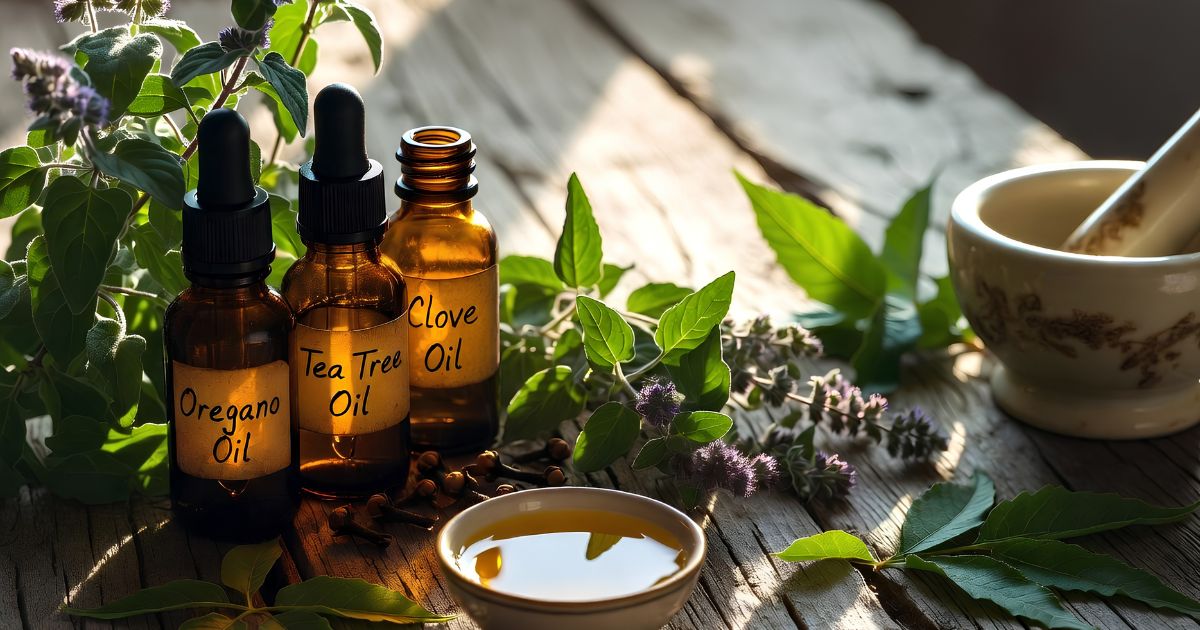
- Oregano oil — Contains carvacrol and thymol, two of the most potent naturally occurring antibacterial compounds ever studied
- Tea tree oil — Widely used for skin infections, acne, and wound care due to its broad-spectrum antibacterial action
- Clove oil — Rich in eugenol, which has demonstrated strong activity against both gram-positive and gram-negative bacteria
- Thyme oil — A powerful source of thymol, effective against respiratory bacteria and skin pathogens
- Neem oil — Used in Ayurvedic medicine for thousands of years to treat bacterial and fungal skin conditions
How to Choose the Right Oil for Your Needs
Not every antibiotic oil is suited for every situation. Some are too potent to use directly on skin, while others are gentle enough for daily use. Understanding the differences can help you make smarter, safer choices.
Oregano oil and clove oil, for instance, are highly concentrated and should almost always be diluted in a carrier oil like coconut or jojoba before applying to skin. Tea tree oil, while slightly gentler, still requires dilution for sensitive skin types. Neem oil, on the other hand, is commonly used in skincare products at higher concentrations.
When purchasing these oils, always look for cold-pressed, organic, and third-party tested products. The quality of the oil dramatically affects its antibacterial potency.
Safe and Effective Ways to Use Antibiotic Oils Daily
Adding these oils to your wellness routine doesn’t have to be complicated. Small, consistent applications tend to produce the best results over time.
- Dilute before applying to skin — Mix 2–3 drops of essential oil with one tablespoon of a carrier oil like coconut, almond, or jojoba oil before applying to any skin surface
- Use in a diffuser for respiratory support — Diffusing eucalyptus, thyme, or oregano oil can help reduce airborne bacteria and support breathing
- Add to homemade cleaning products — Tea tree and clove oil are excellent additions to DIY surface sprays and hand sanitizers
- Incorporate into oral care — A single drop of clove or oregano oil mixed into coconut oil makes a powerful oil-pulling solution for oral bacteria
- Apply to minor wounds — After cleaning a minor cut, diluted tea tree or neem oil can act as a natural topical antiseptic
What Science Actually Says About These Oils
The research surrounding antibiotic oils has grown substantially over the past two decades. Multiple peer-reviewed studies have confirmed the antibacterial properties of oregano, tea tree, thyme, and clove oils against common pathogens including E. coli, Staphylococcus aureus, and Streptococcus.
Oregano oil in particular has shown remarkable results in laboratory studies, with carvacrol demonstrating the ability to puncture bacterial cell membranes, causing them to collapse entirely. Some researchers have even explored its potential against antibiotic-resistant strains, with early results showing genuine promise.
Conclusion — Small Bottles, Big Impact
Nature has always offered solutions that modern science is only beginning to fully understand. Antibiotic oils represent one of the most exciting intersections of ancient wisdom and contemporary research — giving us practical, accessible tools to support our health naturally.
Whether you’re looking to soothe a skin infection, support your immune system, or simply reduce your reliance on over-the-counter products, these oils offer a meaningful starting point. Use them wisely, dilute them properly, and consult a healthcare professional when dealing with serious infections.
Frequently Asked Questions
Q: Can antibiotic oils replace prescribed antibiotics?
No. While these oils have genuine antibacterial properties, they are not a substitute for prescription antibiotics when treating serious or systemic infections. Always consult a doctor for severe symptoms.
Q: Is it safe to ingest oregano oil?
Food-grade oregano oil can be taken orally in small amounts, but only under guidance. It is very potent and can irritate the digestive tract if used incorrectly. Always dilute and start with minimal quantities.
Q: How long does it take for antibiotic oils to show results on skin?
For minor skin infections or acne, consistent application of diluted tea tree or neem oil typically shows visible improvement within 5 to 10 days.
Q: Can I use these oils on children?
Many essential oils are not recommended for young children, especially under the age of two. Always consult a pediatrician before using any essential oil on a child’s skin.
These oils have earned their place in both traditional medicine cabinets and modern wellness routines — and with the right knowledge, they can do the same for yours.